
Asian American Pacific Islander Heritage Month 2026
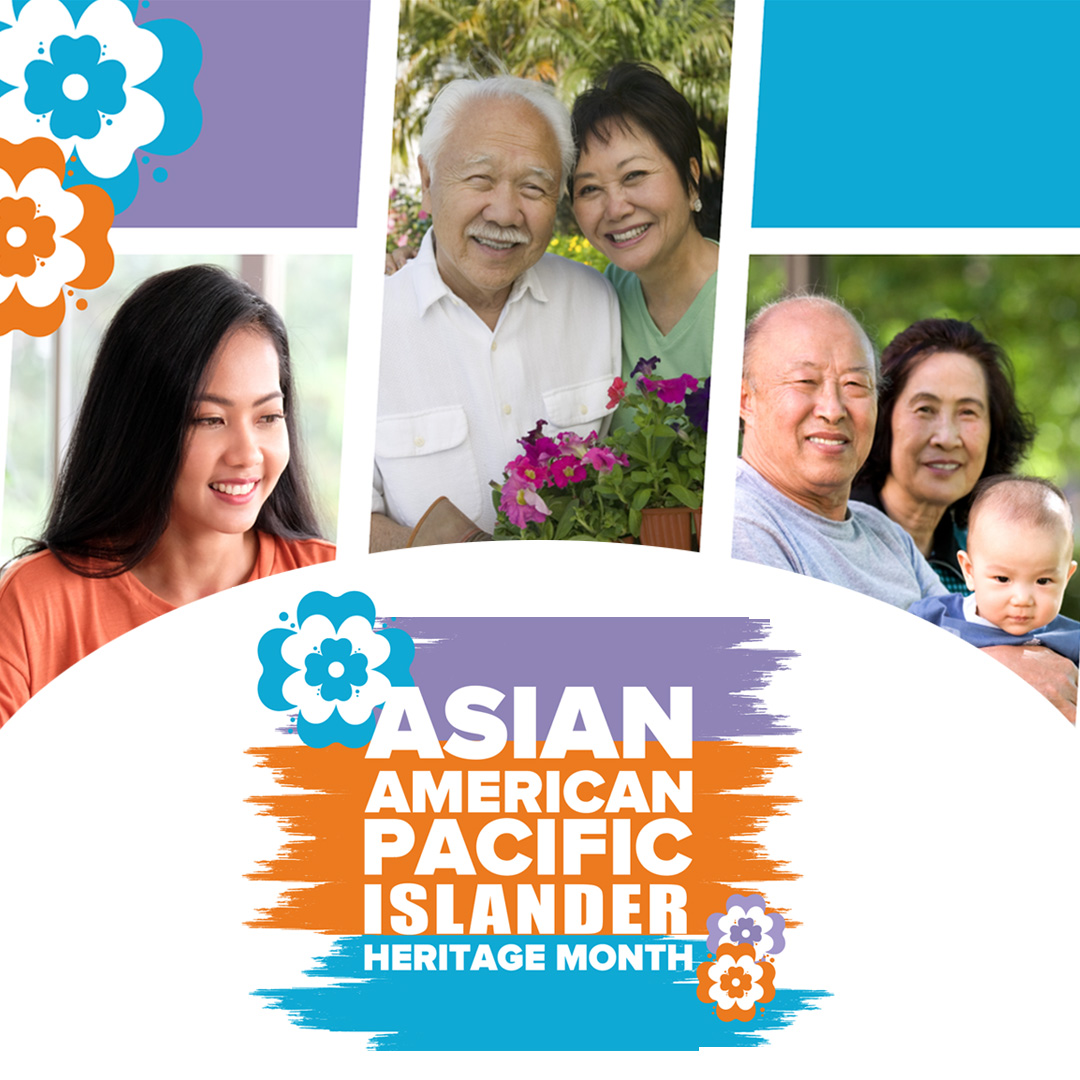
Asian American and Pacific Islander (AAPI) Heritage Month
May is Asian American and Pacific Islander (AAPI) Heritage Month – a time to celebrate culture, honor lived experiences, and uplift voices across the AAPI community. For Alzheimer’s Los Angeles, this month is also an opportunity to raise awareness, share resources, and encourage more open conversations about dementia and caregiving.
In many AAPI families, caring for elders is expressed through action. Being present, making sacrifices, and stepping in when our loved ones need us. Cultural values like filial piety and family responsibility often shape how we approach caregiving and whether we seek help. While these values are deeply meaningful, they can also create an unspoken expectation that all caregiving responsibilities should be handled within the family.
This belief can make asking for help feel like a failure or a sign of weakness. Caregivers may fear judgment from others, feel guilty about bringing in outside support, or believe that no one outside the family can provide the same level of care for their loved ones. Additionally, stigma within the AAPI community often frames dementia as shameful, which discourages open conversations and delays access to caregiver support. Language barriers and limited culturally responsive services can add another layer of difficulty when trying to find the right resources.
But reaching out for support doesn’t take away from these cultural values; it actually strengthens them. Seeking help can be another way of caring for your loved one, which makes sure that both the caregiver and the individual receiving care are supported in a healthy and sustainable way. Whether it’s learning more about dementia, talking to a care counselor, or joining a caregiver support group, these resources can help caregivers feel more prepared over time and less alone.
Support services that are culturally and linguistically appropriate can make a big difference in bridges this gap. When caregivers can communicate in their preferred language and connect with professionals who understand their cultural background, trust is built more easily. This creates a safe space where caregivers feel comfortable asking questions, sharing concerns, and exploring care options without fear of stigma or misunderstanding.
Prioritizing your own health is not selfish; it’s an essential part of caregiving. Caring for someone with dementia can be a long journey, and your well-being matters too. Alzheimer’s Los Angeles is committed to addressing these challenges by offering culturally and linguistically responsive materials, education, and caregiver support services in both English and Mandarin. While these barriers may not disappear overnight, we are committed to empowering the AAPI community through awareness, understanding, and connection. To learn more or access support, visit our website at alzla.org or call our helpline at 844-435-7259.
亞太裔文化月
五月是亞裔美國人與太平洋島民(AAPI)傳統月。這是一個慶祝文化、致敬真實生活經驗,並提升亞太裔社區多元化聲音的重要時刻。對於阿茲海默洛杉磯(Alzheimer’s Los Angeles)而言,這個月份同時也是提高認知、分享資源,以及鼓勵更多關於失智症與照顧議題開放對話的機會。
在許多亞裔家庭中,照顧長輩往往透過行動來表達,比如陪伴、犧牲奉獻,以及在親人需要時挺身而出。像是孝順與家庭責任等文化價值深深影響著我們對失智症照顧的看法,以及是否願意對外尋求協助。這些文化價值本身充滿意義,但同時也可能產生一種無形的期待與壓力,認為所有照顧責任都應該由家人自行承擔。
這樣的觀念可能讓「尋求幫助」被視為失敗或軟弱的象徵。照顧者可能擔心他人的眼光,對引入外部支援感到內疚,或認為家人以外的人無法提供同樣細心的照顧。此外,在亞裔社群中,失智症常被視為一種羞於啟齒的事情,這種污名化使得公開討論變得困難,也延誤了照顧者獲得支援的時機。語言溝通的限制與缺乏文化理解的服務,讓照顧者在尋找合適資源時面臨更多挑戰。
然而,主動尋求幫助並不會削弱這些文化價值,反而能讓它們更加堅實。求助本身就是照顧的一種形式,有助於確保照顧者與被照顧者都能在健康且可持續的狀態下得到支持。無論是多了解失智症教育講座、與社工人員談談失智症照顧諮詢,或加入家屬照顧者團體聚會,這些資源都能幫助照顧者隨著時間推進更有準備,也不再感到孤單。
當支援服務能貼近照顧者的背景文化並提供熟悉的語言時,往往能給照顧者帶來很大的幫助。照顧者若能用自己習慣的語言溝通,並與理解其文化的專業人士互動,會更容易建立信任。在這樣安心的環境中,照顧者能放心提問、分享心聲,並自在地了解各種照護選擇,不必擔心被誤解或貼標籤。
照顧好自己的健康並非自私,而是照顧失智症者過程中不可或缺的一部分。照顧失智症者是一段漫長的旅程,照顧者的身心健康同樣重要。阿茲海默洛杉磯(Alzheimer’s Los Angeles)致力於協助解決這些挑戰,透過提供符合文化與語言的教材、教育課程與照顧者支持服務,陪伴照顧者前行。即使這些障礙無法馬上消失,我們仍將持續透過服務與行動,提高認知、加深理解,並串聯社區資源,陪伴亞裔社群共同前行。如需了解更多資訊或取得支援,請造訪我們的網站 alzla.org,或致電我們的諮詢熱線 844-435-7259。我們的專業社工人員將以國語為您提供相關資訊、情感支持及社區資源指引。所有諮詢內容均嚴格保密。
